
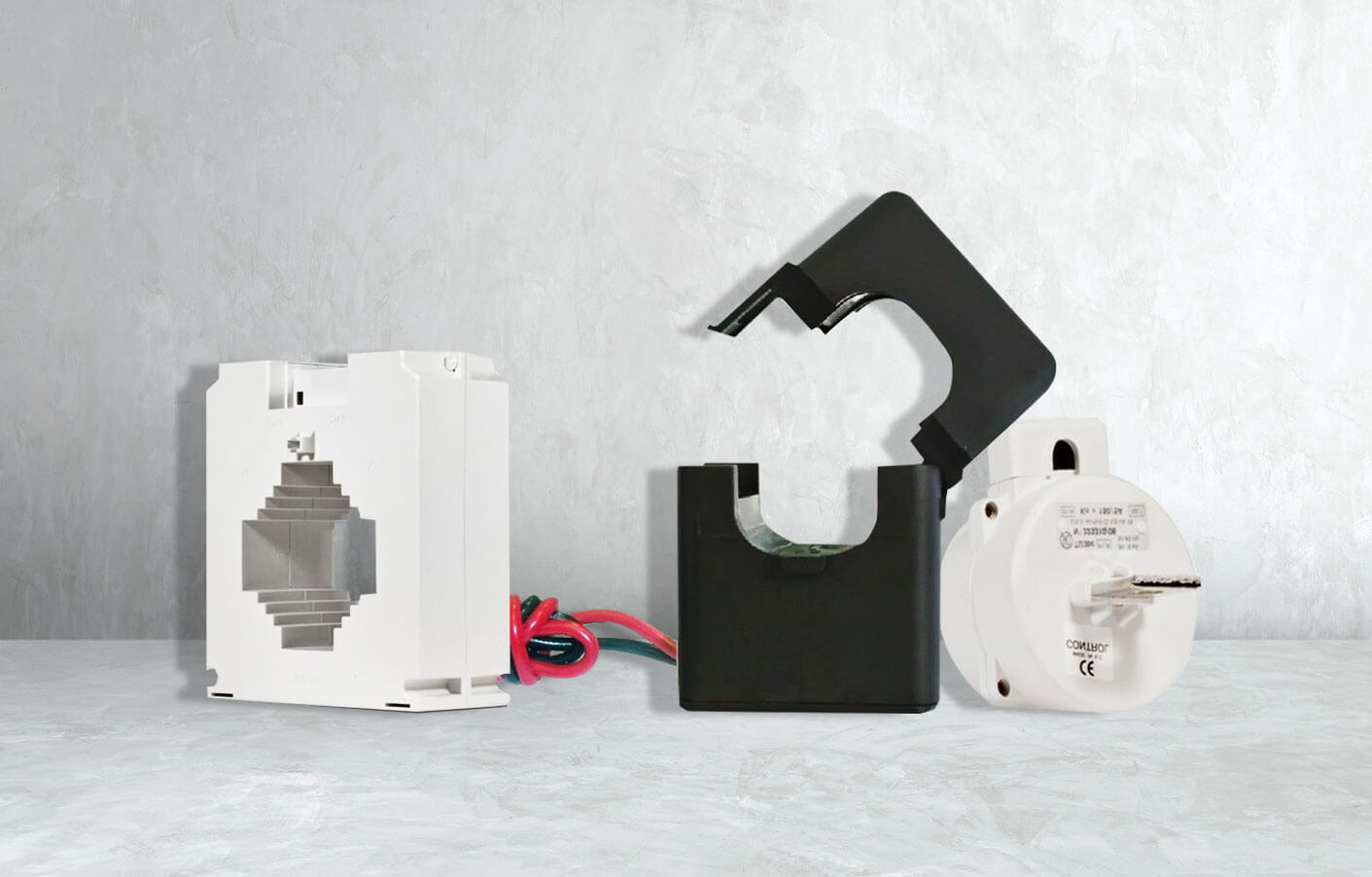
The transformers are electrical devices that have the function of change the intensity or voltage of the electrical current they receive to make their use more efficient and safer. In the market we can find different types of transformers that are distinguished according to the specific function they perform or the material they are made of. In this article we would like to tell you about the main ones.
However, transformers can be found in a wide range of places, including homes, or in solar installations, SACI specialises in industrial transformers. Therefore, if you have a company in the electrical, industrial, construction or telecommunications sector, this article will be very useful for you to know what types of transformers you really need.
Types of transformers
Power transformers
These transformers are mainly used in high and medium voltage installations and their construction characteristics are very different from low voltage instrument transformers, as their dimensions are much larger and their filling is usually oil as opposed to the resin or plastic used in low voltage transformers.
In this classification, we will differentiate the types of transformers according to how they modify the voltage level they receive.
Step-down transformers
They convert the electrical current they receive into a lower voltage. They are used in many industries to adapt the current to the needs of different equipment so that the current can be adapted to the needs of the equipment.The. In addition, low intensities are less dangerous, The use of this system also minimises risks and accidents for operators.
Step-up transformers
They do the opposite of the above and increase tension they receive. They are ideal for efficiently transmitting large amounts of energy over long distances, as increasing the voltage reduces the current and reduces energy losses.
Power plants and lifting substations are where we see these types of transformers most often, as well as in industries such as chemical or metallurgy because the equipment requires very high voltages.
Instrument transformers
At SACI we are experts in these transformers, especially in those installations designed for low voltage.
They are specifically designed to measure electrical parameters, such as current intensity (amperes), with high accuracy. These transformers ensure accurate measurement, which is crucial for the monitoring and control of electrical systems. The key feature is their low saturation factor (Fs<5), which means they can handle current surges of up to 2, 3 or 5 times the rated primary current without compromising measurement accuracy.
The main types of transformers are as follows:
Voltage transformers
It allows the measurement of high voltages in medium and low voltage networks by reducing the voltage level to a standard and safe value so that measuring instruments (such as voltmeters or energy meters) can take accurate readings.
Current transformers
They are the most conventional in any electrical installation. They are used to reduce high electrical currents to lower and safer levels, thus enabling measurement, protection and control in electrical systems.
Isolation transformers
These transformers do not change the tension, but are used with security purposes by creating an electrical barrier and preventing both electrical circuits from being physically connected. This is useful to protect both personnel and the electrical installation.
They are widely used in medical, laboratory and sensitive electronic equipment. They are also useful for reducing electrical noise, electromagnetic interference and as a complement to high-precision measuring equipment to make it more accurate.
Special sensors
Such as Rogowski probes or hall effect transformers. They have a completely different construction and way of working, but have the same purpose as conventional instrument transformers.
Protection transformers
These transformers are designed to safeguard the components of the electrical installation. Through an external relay, they limit the current reaching motors, machinery and other valuable equipment, preventing damage due to overloading. Although they are not recommended for metering due to their lower accuracy, their ability to withstand overloads is significantly higher, being able to handle up to 10, 20 or even 30 times the primary current, making them ideal for protecting the installation in extreme conditions.
At SACI, we have a wide range of protection transformers.
Example comparison table
|
|
Transformer of measure |
Protective transformer |
|
Accuracy |
0,5 |
5P10 |
|
Safety factor |
Fs=3 |
Fs=10 |
|
Intensity ratio |
1000 / 5A |
1000 / 5A |
|
Overload capacity |
3000 / 15A |
10.000 / 50A |
If you have any doubts about which types of transformers are the best choice for your company, our team of experts can help you find the right one. Contact with us by filling in our form, calling us by phone or sending us an email. We will be happy to help you and find the best solution for your company.