
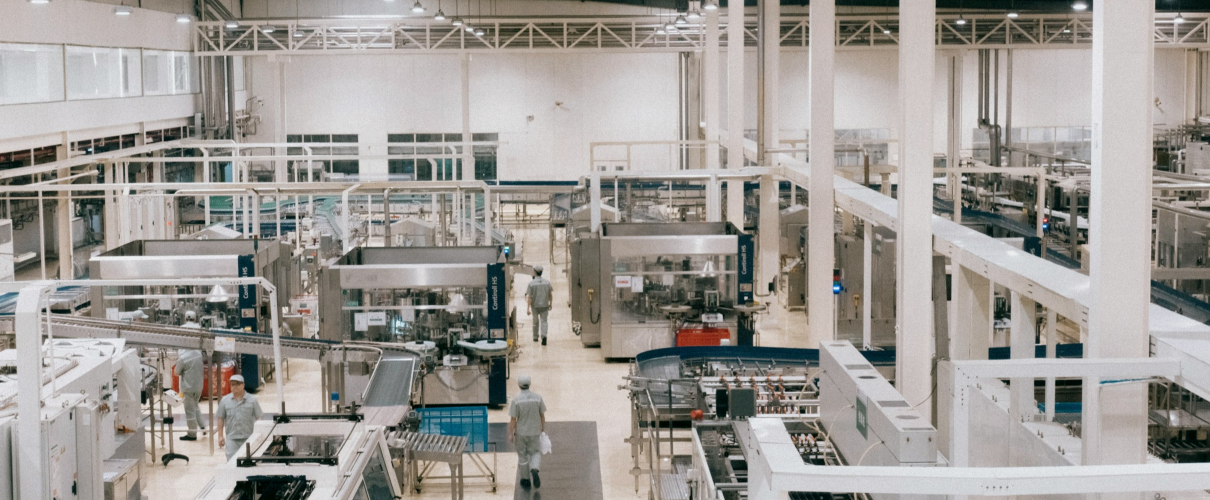
The industrial sector is one of the largest consumers of electricity in Spain. High demands for lighting, climate control, and the continuous use of machinery powered by electricity are the main factors that often result in sky-high energy bills for industrial companies.
However, despite the significant energy requirements, any factory can implement energy-saving measures to not only reduce its monthly electricity costs but also improve energy efficiency and become more environmentally sustainable, reducing the carbon footprint. Additionally, reducing energy consumption can help you become more competitive in the market and comply with energy efficiency regulations.
In this article, we'll share 10 energy-saving tips for your industry to help you maintain production levels and a quality work environment for your employees, all while using less energy-in other words, saving money.
1. Switch to LED bulbs, motion sensors, and timers to save energy
Compared to traditional incandescent bulbs, LED bulbs consume up to 80% less energy. But that's not all-they also last much longer, with a lifespan of up to 100,000 hours compared to just 1,000 hours for incandescent bulbs.
Motion sensors are devices that automatically turn lights on when movement is detected or when ambient light decreases. Installing them in areas like hallways or storage rooms where lighting isn't always needed can lead to substantial energy savings.
Finally, timers allow you to schedule the automatic turning on and off of lights or machinery, ensuring that energy is only used during work hours, preventing unnecessary usage due to forgetfulness or human error.
2. Choose the right insulation for walls, ceilings, and floors
Proper insulation helps retain heat during the winter and keeps it out during the summer, reducing the need for heating and cooling systems. This results in significant energy savings while maintaining a stable temperature and a more comfortable work environment.
3. Install an energy meter
Energy meters are devices that measure the electricity consumption of specific circuits or systems. By having one or more meters installed, you can monitor energy usage and identify where the most energy is being consumed and why. This data allows you to optimise energy use and cut costs.
At SACI, we offer Smartenergy meters, which not only measure consumption in real time but also allow you to remotely control energy supply through a dedicated app.
4. Review your industrial processes and machinery
To boost energy savings, it's worth checking the age of your machinery-outdated equipment may consume excessive energy, whereas newer models are often much more energy-efficient.
If you're not ready to replace machinery, regular maintenance is key to ensuring efficiency, identifying issues early, and extending their lifespan. Also, make sure your production processes don't include inefficient or unnecessary steps.
5. Install heat recovery systems
Certain industrial processes produce waste energy in the form of heat. Heat recovery systems capture and reuse this energy in other processes, improving efficiency.
These systems are commonly installed in boilers, ovens, dryers, or ventilation systems.
6. Take advantage of natural light for energy savings
Natural light is a free, renewable energy source that's abundant in Spain. While installing solar panels is a great idea, optimising your building's design and orientation to maximize natural light can reduce the need for artificial lighting. Large windows or skylights are excellent options, and shading systems can help control light levels during the summer months.
7. Choose the right energy tariff and power capacity
Make sure your contracted power capacity meets your actual needs; otherwise, you could be paying for energy you're not using. Additionally, compare energy tariffs from different providers to see if you could be getting a better deal.
8. Develop a renewable energy transition plan
A renewable energy transition plan outlines the steps your company can take to become more energy-efficient and reduce its reliance on fossil fuels. Implementing the advice from this article with the help of experts can yield significant energy savings.
9. Request an energy audit
An energy audit should be your first step toward energy savings. It's a thorough evaluation of your facility's energy consumption to identify areas for improvement. Audits also provide specific recommendations for implementing changes.
Energy audit professionals can guide you through the process of optimising energy use and lowering costs.
10. Raise employee awareness about energy savings
Workers who are committed to environmental sustainability and energy savings are more likely to embrace changes aimed at improving energy efficiency. They may also adopt energy-saving habits in their daily work and suggest ideas for making the industry greener.
To encourage employees to become more energy-conscious, consider organising workshops or talks that explain the benefits of energy savings and offer practical advice. You can also run awareness campaigns, distribute informational materials, and even set up incentive programs to reward employees who significantly contribute to energy savings.
We hope these tips help you achieve greater energy savings in your industry. As mentioned, the best place to start is with an energy audit to pinpoint specific areas where your company can improve its energy efficiency.