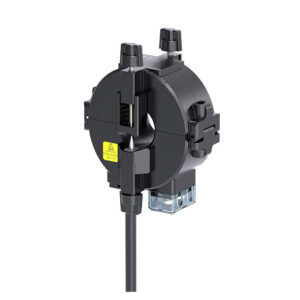
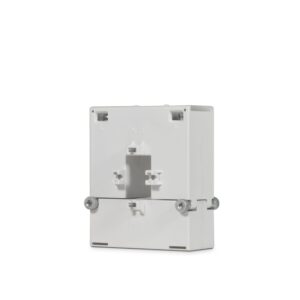
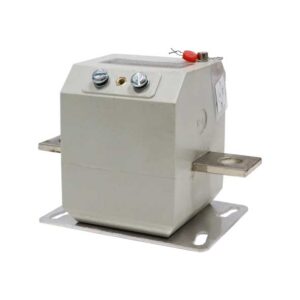
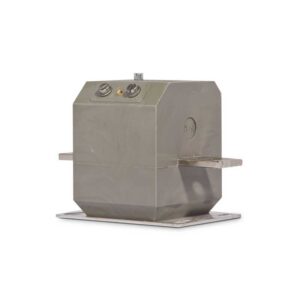
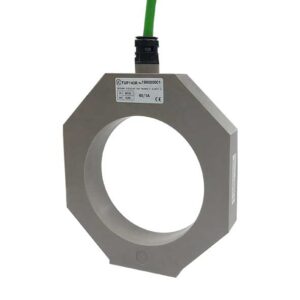
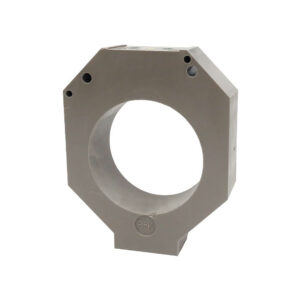
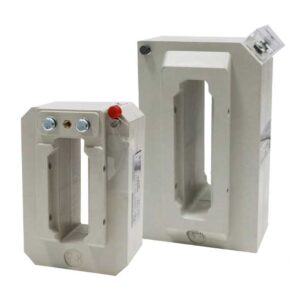
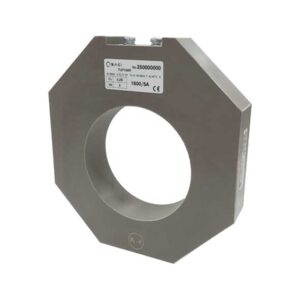
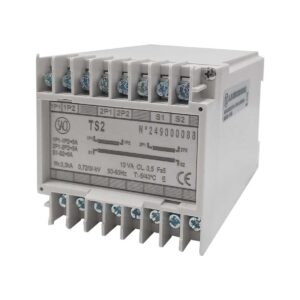
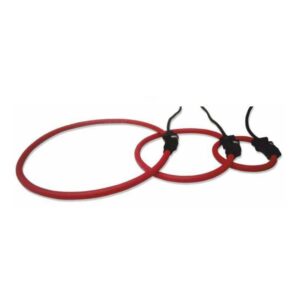
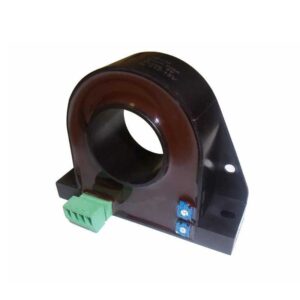
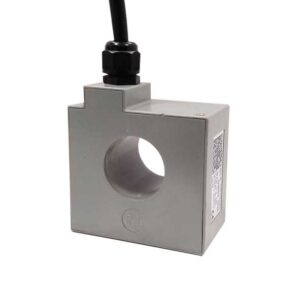
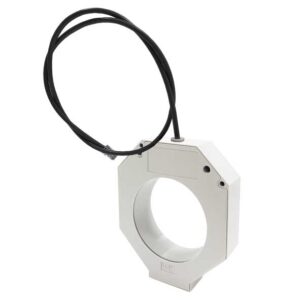
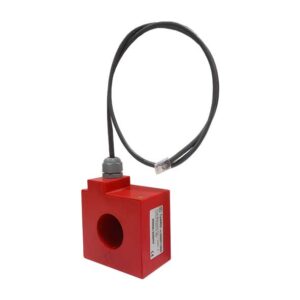
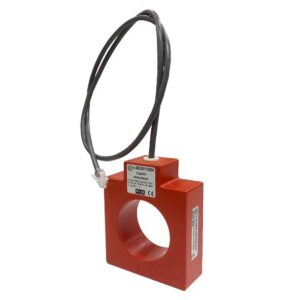
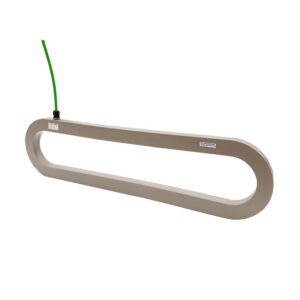
Our transformer catalogue
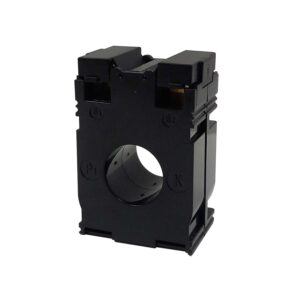
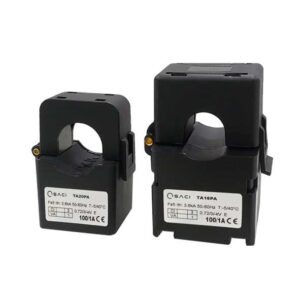
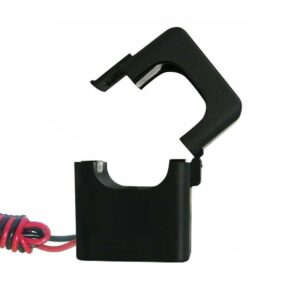
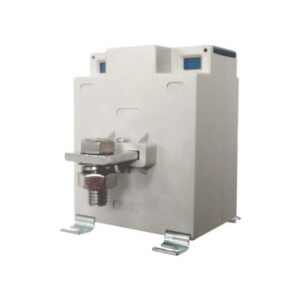
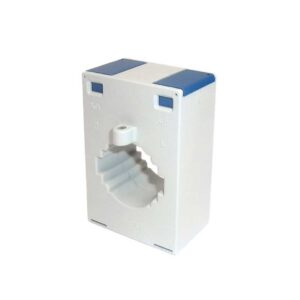
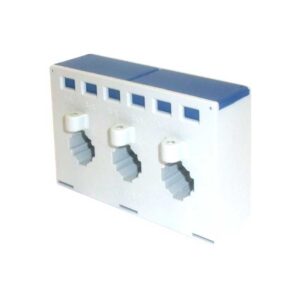
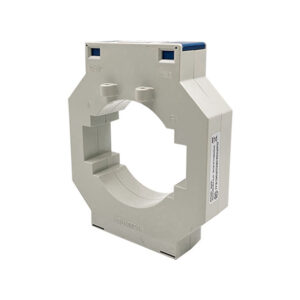
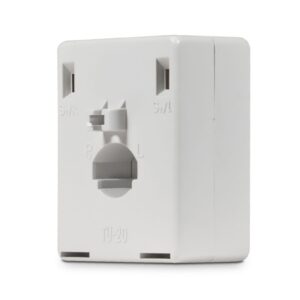
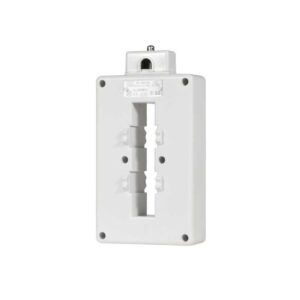
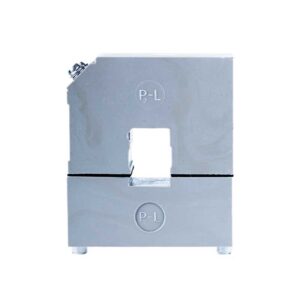
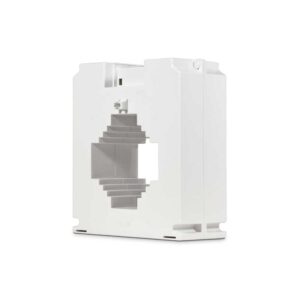
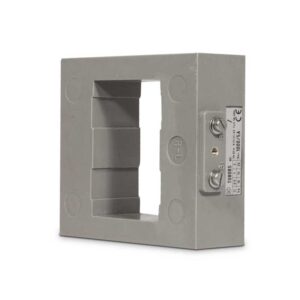
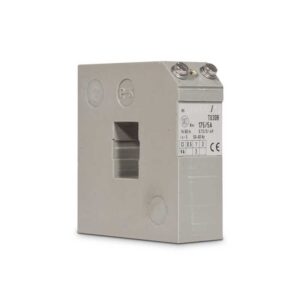
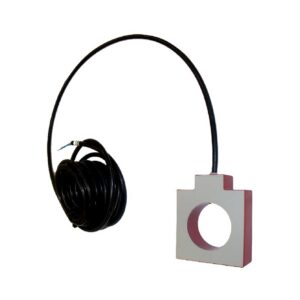
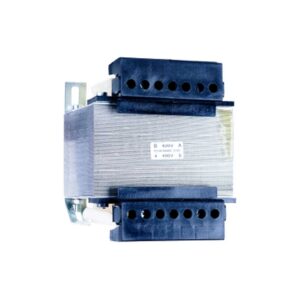
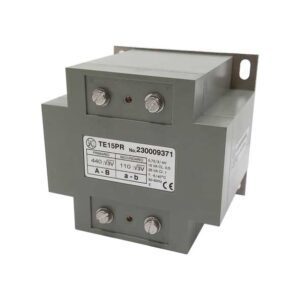
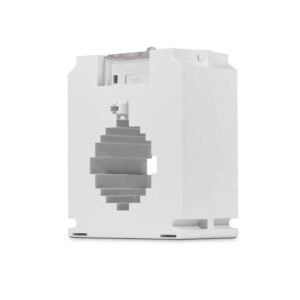
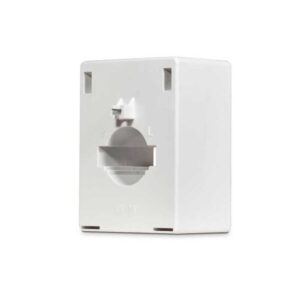
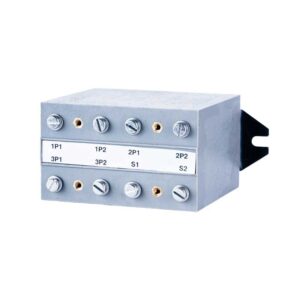
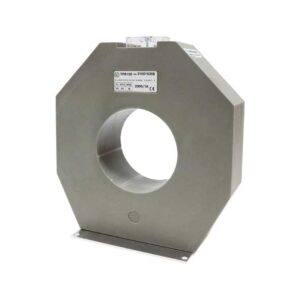
At SACI you will find a wide variety of transformers, such as the TA_P open-core mini split, the TU_PS narrow profile or the TU_ resin, among others. In terms of their construction, there are two types of current transformers, those made of core winding or through-core. Coiled-core are usually less expensive than through-core, but are less accurate. On the other hand, the thru-core are typically found in installations where the voltage is 25kV or less and give more accurate results by reducing flux leakage.
Advantages of current transformers
These instruments have many advantages in their favour, for example:
- They allow safe measurement of large currents, as they reduce the high voltage current to lower and safer levels.
- They provide electrical isolation between the high voltage circuit and the measuring devices, protecting personnel from possible electric shock.
- They act as control devices to actuate protective devices, such as relays and pilot lights.
- They have a very accurate measurement of electrical currents without the need to interrupt the main circuit.
Among others.
Current transformer VS. voltage transformer
They are reliable instruments for measuring high-value currents and voltages with high accuracy. However, there are a number of differences between them. For example, the current transformer transforms a high input current into a low output current and the voltage transformer transforms the high input voltage into a low output voltage. Furthermore, the former is connected in series with the instrument and the latter in parallel. As for the number of primary and secondary turns, the current winding has a small number of primary turns compared to that of the secondary winding. The voltage winding, on the other hand, has a very large number of turns in the primary compared to the secondary. There are many other differences, although the most notable are the first two differences mentioned above.
Instrument transformers VS. protection transformers
Instrument transformers and protection transformers play essential but distinct roles in electrical installations.
Instrument transformers
They are specifically designed to measure electrical parameters, such as current intensity (amperes), with high accuracy.
These transformers ensure accurate measurement, which is crucial for the monitoring and control of electrical systems. The key feature is their low saturation factor (Fs<5), which means they can handle current surges of up to 2, 3 or 5 times the rated primary current without compromising measurement accuracy.
Protection transformers
Instead, these transformers are designed to safeguard the components of the electrical installation. Through a relay, they limit the current reaching motors, machinery and other valuable equipment, preventing overload damage. Although they are not recommended for metering due to their lower accuracy, their ability to withstand overloads is significantly higher, being able to handle up to 10, 20 or even 30 times the primary current, making them ideal for protecting the installation in extreme conditions.
The main difference between the two lies in the saturation factor and overload capacity, making each type more suitable for its specific function, whether for precise measurement or robust protection.
Example comparison table

What data you need to choose the best transformer:
- Know which magnitude you want to measure: current or voltage.
- What function is performed: measurement, protection, addition.
- Transformer location and environmental conditions: resin or plastic transformer material.
- Accuracy class, outer dimensions of the transformer and the required diameter of the window, for the cable or busbar that will pass through the transformer.
Cable cross-section


Solutions for all industrial applications
The flexibility of current transformers allows them to be used in many different situations and in all types of industries. For example, they can be used to measure current in commercial revenue metering applications, protect against high-voltage lines and electrical substations, measure current with hand tools...