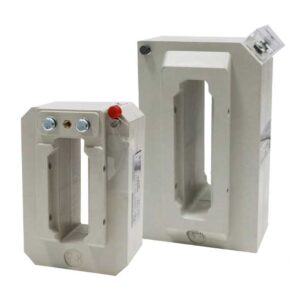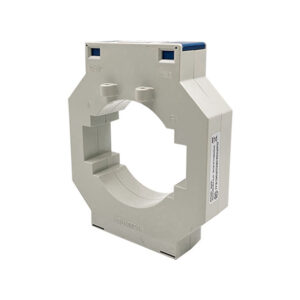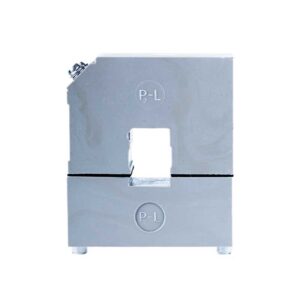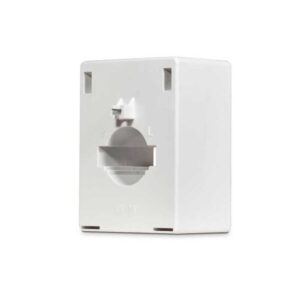
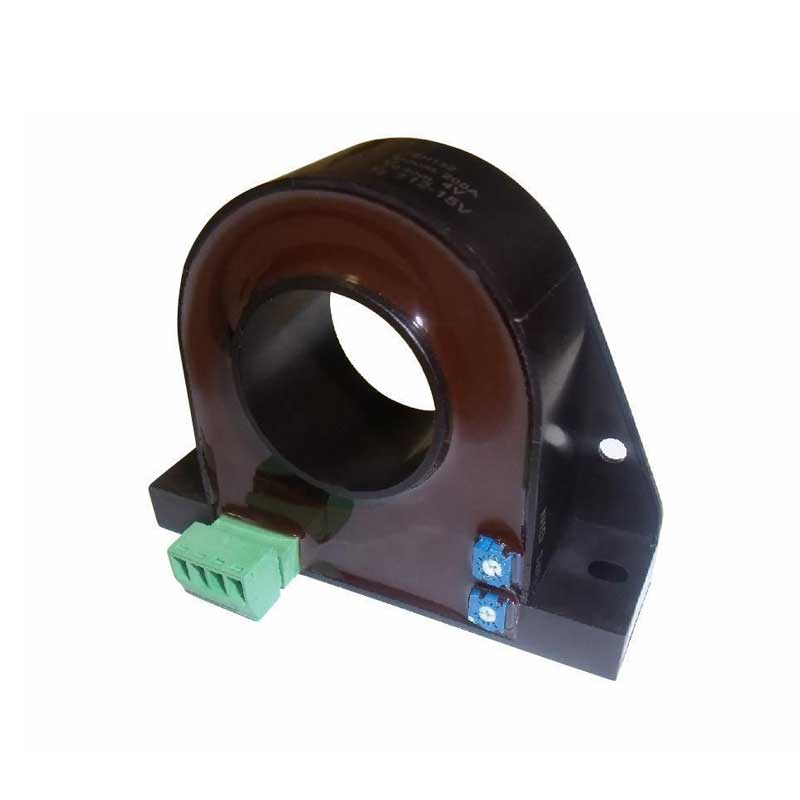
Hall Effect Transformer TEH-132
These transformers use the Hall effect to measure currents and magnetic fields. These devices typically have a magnetic core around which coils are wound to generate an output signal proportional to the input current. This type of transformer is used in a variety of applications, such as measuring currents in power systems and detecting magnetic fields in industrial sensors.
These transformers use the Hall effect to measure currents and magnetic fields. These devices typically have a magnetic core around which coils are wound to generate an output signal proportional to the input current. This type of transformer is used in a variety of applications, such as measuring currents in power systems and detecting magnetic fields in industrial sensors.
Technical details
- Dimensions
- Technical characteristics
- Technical data
- Ratios
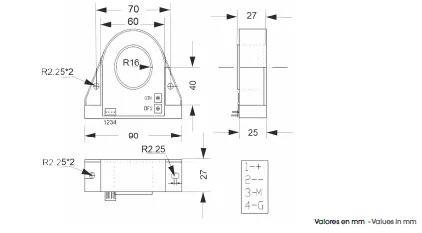
Model
TEH-132
Supply voltage (Vc): ± 12 V to 15 V DC (±5%)
Load resistance( RL): >1 kΩ
Output voltage (analogue): ± 4 V
DC Accuracy: ± 0.5 %
AC Accuracy: ± 1 %
Linearity error: ± 0,5 %
Set point voltage: <± 10 mV
TCVoe Thermal drift of Voe: <± 1mV / °C
TCVout Thermal drift of Vout: ± 0.05% / ºC
Tr Response time: < 3 μs
di/dt: > 50 A/μs
BW Bandwidth: DC 50 kHz
Vis Insulation voltage: 5 KV
Ris Insulation resistance: >500 MΩ
Ic Current consumption: < 20 mA
Standards
- IEC 60185
- UNE EN 618691 (IEC 618691)
- UNE EN 618692 (IEC 618692)
- VDE 0414
- IEC60801-3.4
- DIN 57414
- BS 3938
- EN 50081
- EN 50082
- IEC61010
- UL94-V0
Details of the product ratio table: